



- Auto door operators improve ADA accessibility, safety, and tenant value beyond baseline legal compliance.
- Upgrades are smart during alterations, hardware replacement, or access-control projects—and can be retrofitted to older buildings.
- Choose operators by traffic, door function, and integration needs; consult ADA-trained experts before installation.
Who Needs to Be ADA Compliant
The ADA requires new construction as of January 26, 1992, to be fully compliant. Older buildings or buildings that started construction before that time are only required to remove environmental barriers in walkways and near doors.
Older buildings are required to be compliant if they make an alteration that affects accessibility or if they build an addition (additions are treated as new construction).
In Illinois, you also have to abide by the Illinois Accessibility Code, and the City of Chicago has its own code as well. With respect to door hardware, these codes largely follow or defer to the ADA.
You can use a checklist to do an ADA self-check. A good door hardware expert can also help you determine what applies to your building.
ADA-Compliant Door Hardware
The key for ADA-compliant door hardware is that it permits people with disabilities to operate and pass through the door safely. That means the handle must be easy to operate. The law defines this as requiring only one hand to operate and no more than 5 lbs of force for internal doors (external doors have a max limit of 8.5 lbs). They must also not require any tight pinching or gripping or twisting the wrist.
So, door knobs are out. Levers and crash bars are in.
There are also codes for how quickly doors close. Most doors need to take at least 5 seconds to close from 90 degrees to 12 degrees. Doors with spring hinges need to take at least 1.5 seconds to close entirely from 70 degrees.
For a more comprehensive guide to ADA door hardware compliance, see our guide.
How Auto Operators Help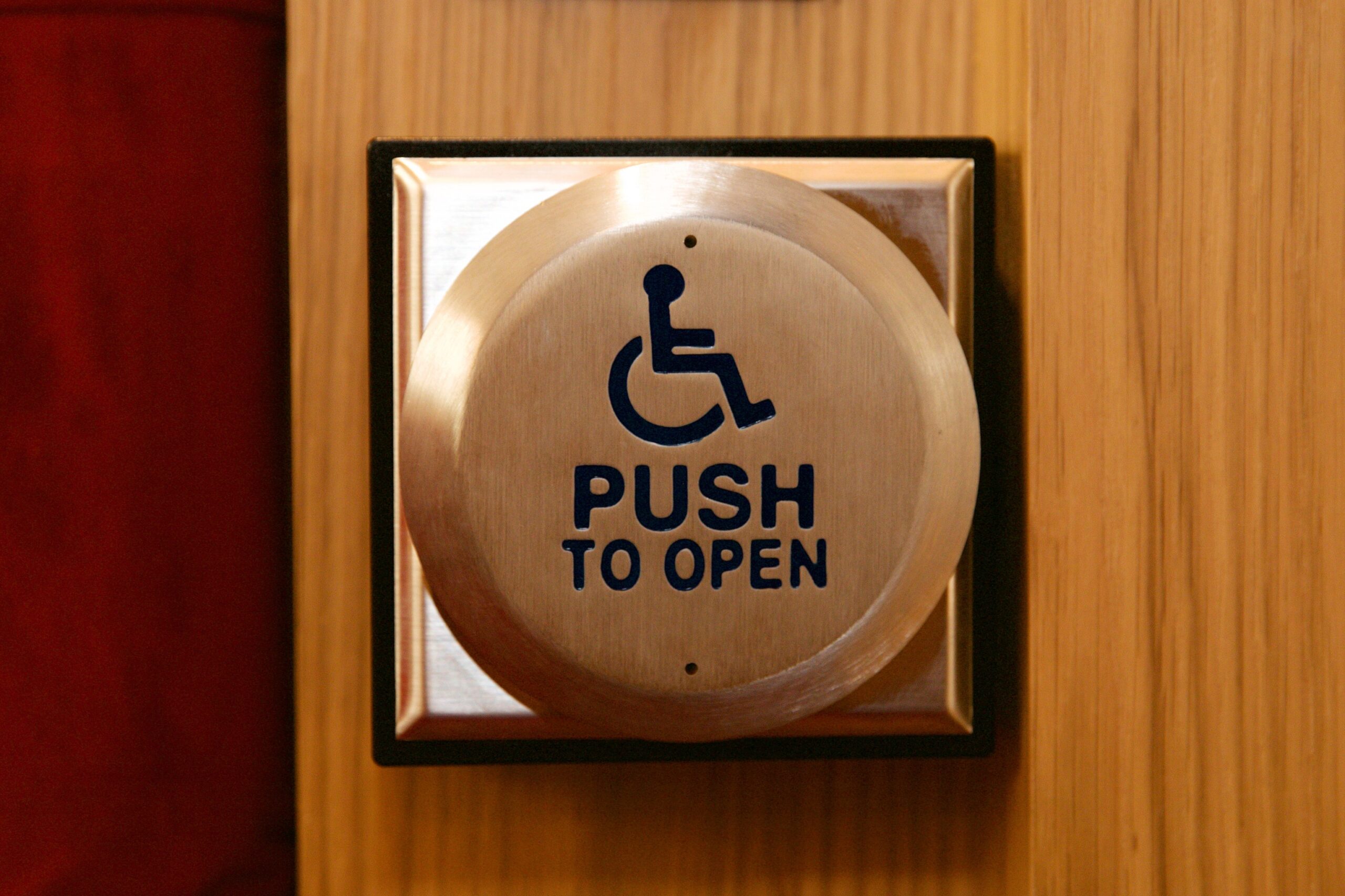
As the name suggests, an automatic door operator opens and closes a door without the need for human effort. They can be activated by a button, floor or wall sensor, or a wireless receiver, and they make your building much more accessible for everyone. An auto-operator can make ADA compliance a breeze.
When It’s Time to Become ADA Compliant
If your building or facility is not legally required to be ADA compliant, you may of course voluntarily take steps to become more accessible.
The CDC estimates that some 25 percent of people have some form of disability. That means if you don’t know someone who is disabled, you know someone who knows someone.
It’s also true that all of us are one bad accident away from becoming disabled.
Beyond the law, ADA compliance is about creating the kind of world we want to live in, one where everyone is welcome into our homes and businesses.
And it is good business! When you make accessibility a priority, you signal to your tenants and customers that you are thoughtful and inclusive. Businesses tenants know that they can serve more customers, and renters know that all their friends and family can come visit.
That’s serious curb appeal.
When It’s Time to Upgrade to ADA Door Auto Operators
But when is it time to upgrade from manual door handles and crash bars to auto operator hardware?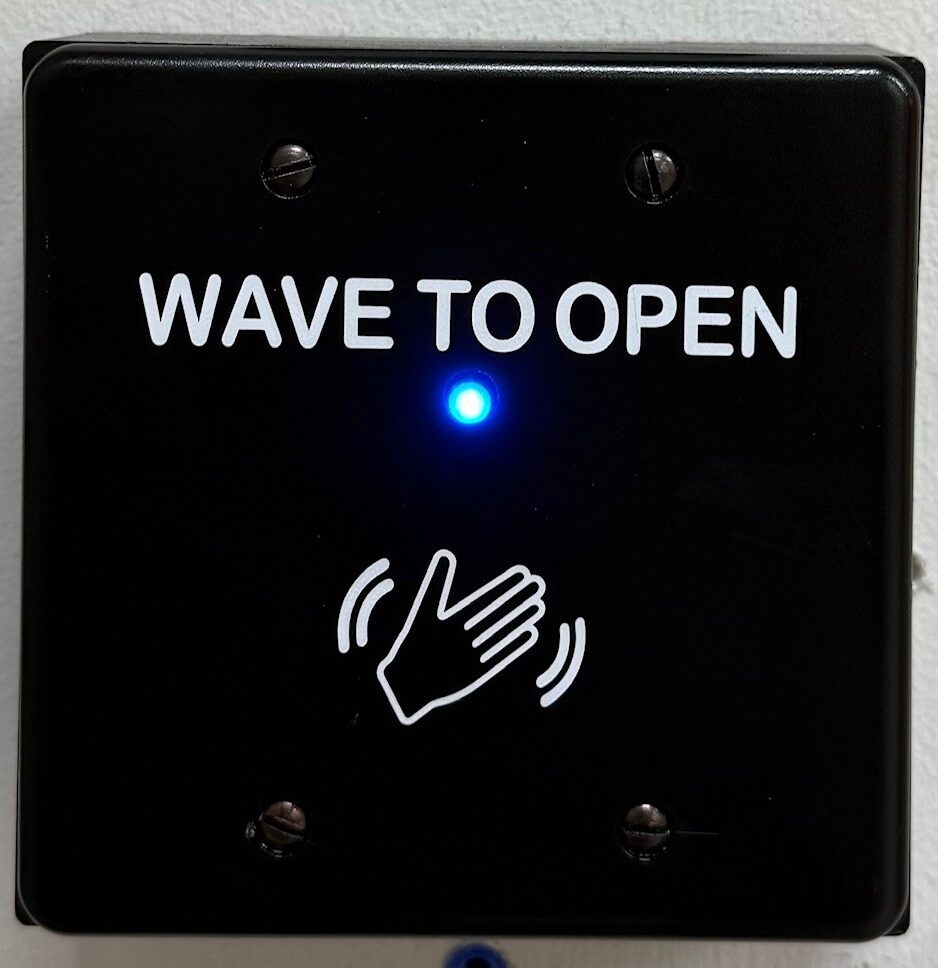
There are some key triggers for most buildings:
- Qualifying alterations If you’re making alterations to a door that will affect its usability, you might opt to upgrade the door operator while you’re at it.
- Upgrading worn-down hardware Some of these older buildings in the Chicago area have seen a lot of activity, and eventually even very sturdy door hardware may need to be replaced. You could opt to add auto closers on certain doors while you’re spending the money and doing the install anyway.
- Upgrading to electronic access controls Many auto-operators can integrate with your electronic access control system. That allows you to program and trigger them from a computer or app.
- Improving services and curb appeal Existing and prospective tenants, customers, and tenants’ guests all notice when a building takes measures to improve accessibility, and it makes your building more attractive.
- Improving safety Accessible entrances are safer for everyone. Grocery stores and hospitals install them as a matter of course. Especially when people have to carry things through a doorway, an auto opener can help reduce the need for unnecessary risks.
- User demand You may just be tired of tenants and prospects asking you about accessibility, or you may have had enough inquiries about it that it feels like the right time.
Don’t worry if your building has some awkward doors and corners. Many of today’s best devices can be retrofitted onto older facilities.
Best Practices for Choosing ADA-Compliant Auto Operators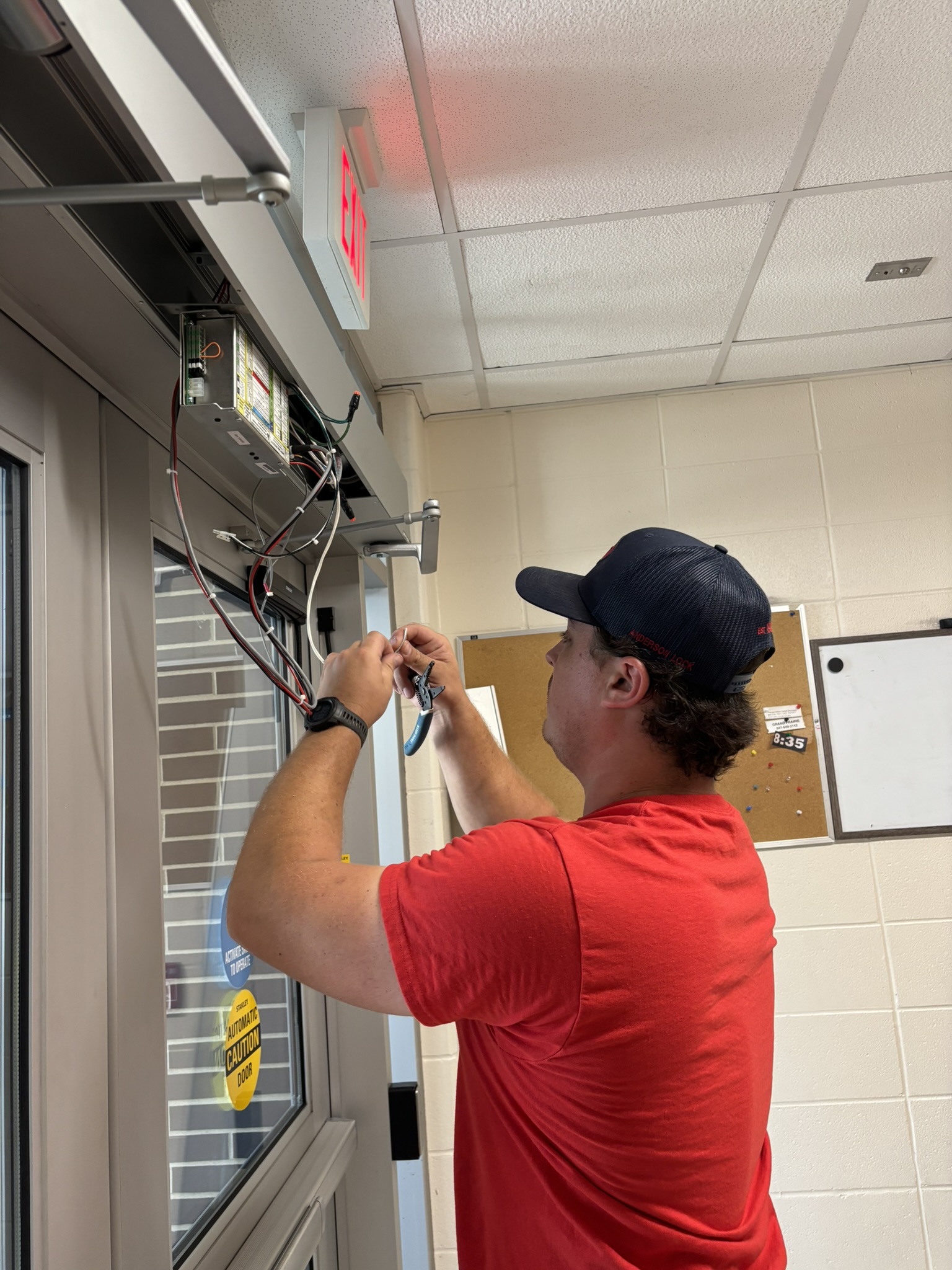
Budget is only one factor when you’re looking to upgrade to ADA-compliant auto operators. You want to find the right operators for your facility.
- Consider hiring someone trained in ADA compliance to conduct an assessment of your building so you can be confident you have considered everything.
- Match the operator type to the door’s traffic and function. There are low-energy and full-power swings as well as specialty options.
- Work with your door hardware vendor to ensure your auto operators work together with other hardware and your door and frame.
- Work with an expert to make sure your auto opener can integrate with your electronic access control system.
Why Partner with Anderson Lock
Anderson Lock was an early leader in educating customers about and supplying them with ADA-compliant door hardware. We have experts who can give you a free inspection to identify the best candidate doorways for auto operators and maybe identify accessibility options you hadn’t thought of. To make your facility safer and more accessible for everyone, contact us today.
Frequently Asked Questions
Do I need automatic door operators to be ADA compliant?
Not always. The ADA focuses on operability (e.g., opening force and no tight grasping, pinching, or twisting). Auto operators are often the simplest path to accessibility—especially for high-traffic or heavy exterior doors—but they’re not mandatory in every situation.
What’s the allowable door-opening force under ADA guidance?
For most interior doors, 5 lb of force is the typical limit; many exterior doors are higher, commonly up to 8.5 lb. Lower forces and proper closer settings improve accessibility for everyone.
Can auto operators integrate with my electronic access control system?
Yes. Many units tie into access control to support scheduled unlocking, credential-based activation, and remote management, which enhances both convenience and security.
Are there retrofit options for older or awkward doorways?
Absolutely. Modern low-energy and specialty operators can often be retrofitted on historic or complex entrances, improving accessibility without major reconstruction.
When is the best time to plan an upgrade?
During door alterations, hardware replacement, or access-control projects. Bundling work can reduce disruption and helps ensure all components are compatible.