

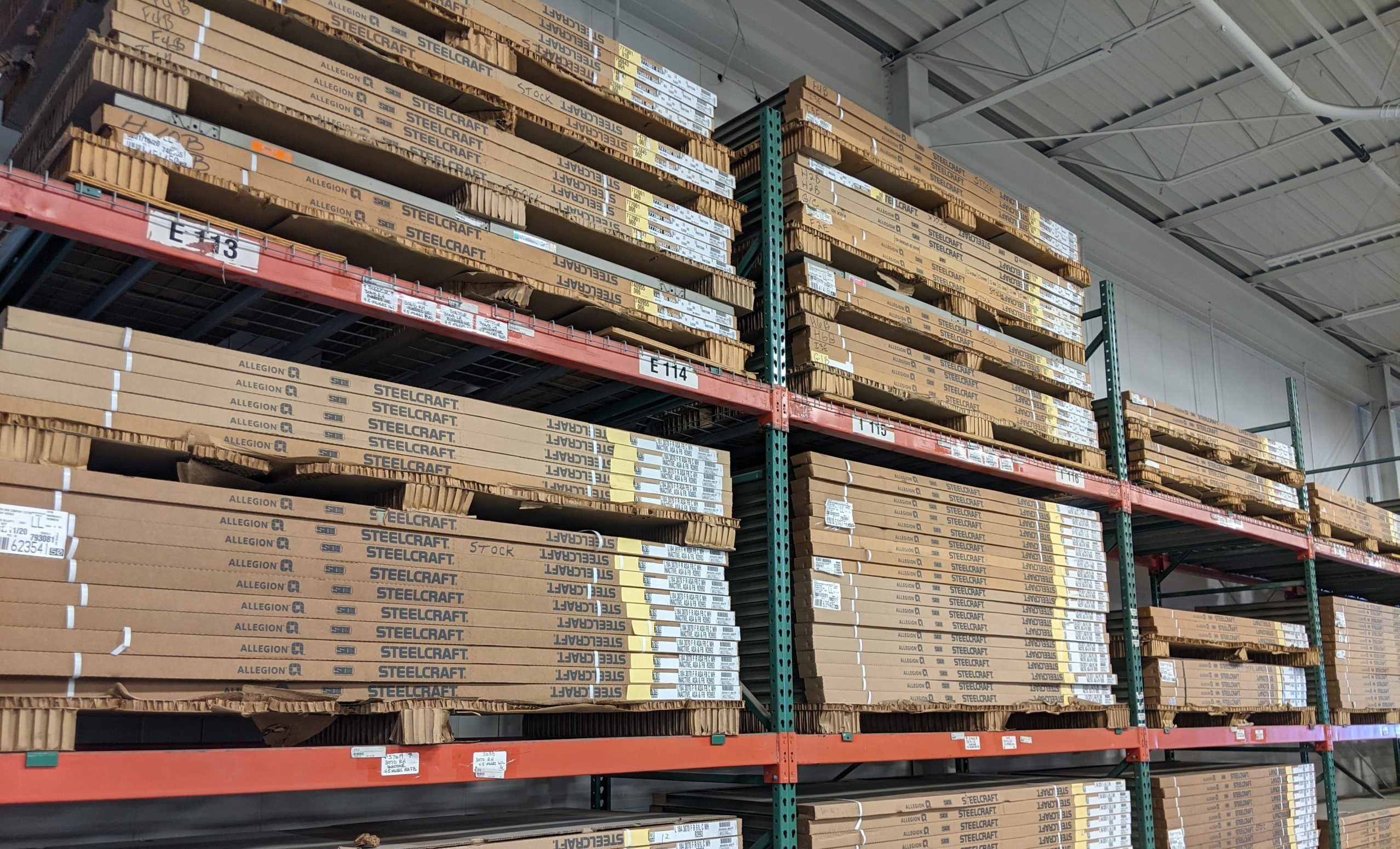

Commercial wood doors offer the best balance of beauty and performance in the commercial door market. Metal doors have their place, but if you own or manage a facility that regularly receives tenants or customers, wood has the architectural, aesthetic, durability, and security features you need. At Anderson Lock, we’ve worked hard to become a leader in commercial wood door prep and installation in the Chicago area.
With a vast array of vendors and our Elk Grove Door Division, we’re able to offer a plethora of options for our Chicagoland clients and contractors — but that also means you have to know how to navigate all those choices.
That’s what we’ll help you do in this brief guide.
Understanding the Difference Between Commercial and Residential Wood Doors
As you might imagine, commercial doors are designed to withstand more traffic and wear and tear than a residential door. This includes not only the material used in the door’s core but the hardware, which is usually one or two grades higher than the average residential door.
While both kinds of doors are often fire rated, residential wood doors are built for appearances first. Manufacturers know homeowners want a door that elevates the beauty of their homes.
Commercial doors have to meet stricter regulations, so the first priority is to be durable, secure, and have the right fire rating. Fortunately, with today’s manufacturing methods, you can also get beautiful veneers on commercial wood doors.
If you’ve been to a hospital or public school and to a downtown law firm, you’ve seen how different wood doors can be on different facilities or offices — but they all meet the same minimum standards.
When to Choose Wood Doors Over Metal for Your Facility
The needs of your facility and your brand will largely determine whether metal or wood doors are right for you.
Metal Doors
✔ Durable
✔ Higher fire ratings
✔ Higher acoustic/sound-dampening ratings
✔ Great at blocking airflow and controlling temperature
✘ Often utilitarian in appearance
✘ Higher long-term costs for maintenance and repair
Wood Doors
✔ Aesthetically pleasing
✔ Natural material and look
✔ Sustainable material
✔ Versatile enough for most spaces
✔ Easy to swap out hardware
✔ Long lifespan
✘ Higher upfront cost
✘ May not meet very high standards for fire-protection, thermal regulation, or soundproofing
Types of Commercial Wood Doors
These days, solid-wood doors are rare in many buildings and facilities because of their cost and susceptibility to warping. Instead, commercial wood doors apply a wood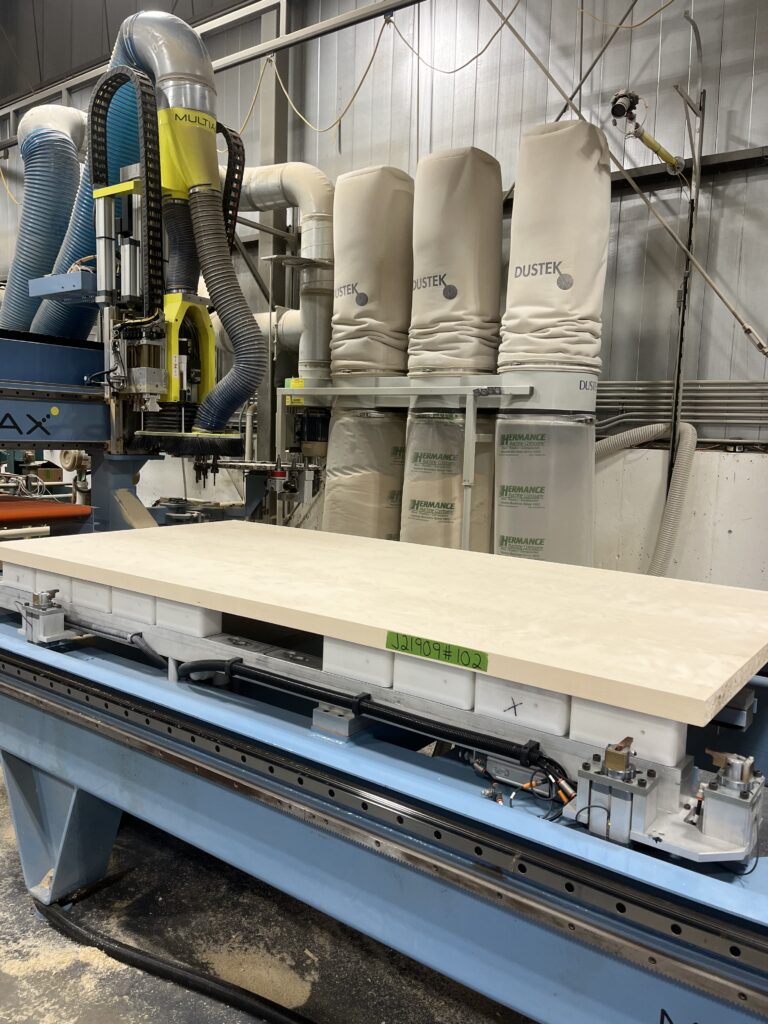 veneer to either a hollow or solid core, achieving varying levels of performance at lower prices.
- Hollow Core These are the lightest and least expensive commercial wood doors. They consist of veneer over a honeycomb-shaped cardboard interior. They can feel flimsy and are more common in residential settings, but they can be a cost-effective option for some interior spaces.
- Particle Core These doors have particleboard cores, which makes them light and cost-effective. They are best for simply closing off a closet or room, rather than performance under extreme conditions.
- Mineral Core These doors are made with a non-combustible material engineered for fire resistance, often up to 90 minutes. They are good in stairwells or other places specified by fire codes.
- Solid Core While most commercial wood doors are solid core, if someone just says “solid core” they likely mean a door made with MDF, or medium-density fiberboard. These are durable options for most facility interiors.
- SCL Core Doors made with structural composite lumber, strands of various woods bound together with resin for superior strength and performance. This would be your choice when you want maximum performance in addition to natural beauty.
Durability, Fire Rating, & Other Considerations
Durability/Use
Consider where the door will be installed, how secure it needs to be, and how much use it will get. Installing more durable doors in higher-use areas is worth the investment.
Sound Transmission/Absorption
Sound transmission isn’t usually a big deal for closets, hallways, kitchens, etc., but it can be more important when it comes to offices and conference rooms. Soundproofing is measured in STCs, or sound transmission class. An STC around 40 or 45 is the usual minimum for privacy.
Fire Rating
Most commercial wood doors will at least meet the requirements of NFPA 101 Life Safety Code, the national fire safety standard. However, in some municipalities, like the City of Chicago, there may be other relevant regulations. In addition, you may decide for reasons of the layout of your facility or personal peace of mind that it makes more sense to go for a higher rating. Fire ratings begin at 20 minutes and indicate how long the door can withstand the intense heat of a fire.
Aesthetics
There are two primary strategies for choosing the right look of a commercial wood door: complementarity or contrast. Opt for complementary tones if your space already has a lot of colors in the walls, carpets, furniture, and trim. Consider contrasting tones if there is already a lot of uniformity in your space. Think more of creating balance and harmony than finding exact matches.
Hardware and Access Control Integration
Today’s commercial wood doors are made to accommodate required safety hardware like door closers and panic bars as well as today’s advanced electronic access controls like smart locks and card scanners. This hardware can be tricky to install after a door is hung, so we will often recommend you let us prep the doors by installing what we can before the doors are delivered.
Key Selection Factors for Commercial Wood Doors
Choosing the right commercial wood door can be a lot of fun. If you want to keep things simple try to focus on location, function, and appearance. Think about where the door will be installed. When choosing an exterior door or a door on an egress route, like stairways, they need to be sturdier and meet stricter requirements compared to office or apartment doors. For functionality, doors to server closets or safe storage spaces need to have additional security and ne fire-resistant compared to a door in the kitchen. Now what really makes choosing a door a fun process is the aesthetics. What does the front door say about your store, condo building or church? You may want to choose something that is classic vs modern or are you trying to represent luxury vs being budget friends? On the other hand, a closet door can be more plain and functional.
Why Work with Anderson Lock for Your Commercial Wood Door Needs
We’ve had over 60 years of experience getting our customers in and out of buildings, and with our state-of-the-art wood door machining shop and a large warehouse, we’ve become a trusted one-stop source for commercial and architectural wood doors, frames, and hardware in and around Chicago.
In addition to helping you navigate the sea of options,
Additional benefits include:
- Project management
- Blueprint takeoffs
- Fire Door Inspections
- Green building and LEED-certified products
- Commercial door & lock repair
- WBENC-certified Women Owned business
Contact us today to equip your facility with durable, attractive commercial wood doors.