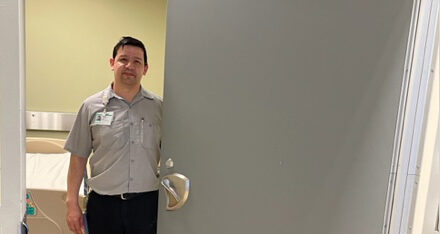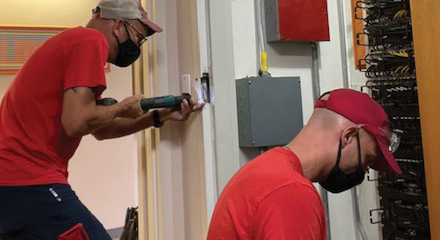


For healthcare facilities in the Chicago area, security is non-negotiable. From patient safety to regulatory compliance, your door and lock systems must perform flawlessly, especially when facing Chicagoland’s harsh weather and the high demands of a 24/7 medical environment. Here in Des Plaines, we see how winter snow and ice, road salt, and those freeze-thaw cycles can chew up door bottoms, frames, and closers—then you add constant foot traffic and carts, and small issues turn into big disruptions fast. That’s why our team at Anderson Lock focuses on Commercial door and lock system installation that’s designed for healthcare realities: controlled access, life-safety requirements, and hardware that keeps working when the weather and workload don’t let up.
Meeting Security & Compliance Needs in Healthcare
Healthcare security isn’t like a typical retail or office project. You’re protecting patients, staff, medications, and sensitive records, and you’re doing it under strict expectations tied to HIPAA, internal policies, and accreditation audits. In busy Chicago-area facilities, access control challenges show up everywhere—pharmacies, patient record rooms, surgical suites, behavioral health areas, and even “back of house” corridors that connect departments.
Our approach starts with a real opening-by-opening review, not guesses. We look at how each door is used (and abused): who needs access, what has to stay locked, what must be fail-safe, and what needs to be quiet and smooth for patient comfort. If you want a sense of the kinds of environments we work in, you can browse our healthcare project experience across Chicagoland.
We’ve supported projects for major Chicago-area healthcare systems and smaller specialty clinics alike, and we understand the operational reality: you can’t shut down a wing for a week because a frame was ordered wrong or a lockset wasn’t prepped correctly.
Core Components of a Modern Healthcare Security System
Master Key Systems for Tiered Access
In a hospital or large medical building, a master key system isn’t just convenient—it’s how you keep access organized. Doctors, nurses, environmental services, facilities teams, and administrators all need different levels of entry. A properly designed system gives you that tiered access without turning your key control into chaos.
We help you plan for real life: staffing changes, department moves, after-hours access, and the “we need to rekey this area today” moments. If your team is weighing options, our guide on how a master key system works in commercial buildings is a helpful starting point before we map out your facility.
Electronic Access Control and Automatic Operators
Electronic access control is often the best way to manage sensitive areas while keeping an audit trail—especially for medication storage, IT rooms, and records areas. Depending on your workflow, we can deploy card access, fobs, or keypad solutions like IEI keypads, and we’ll make sure the hardware choice matches the door type and the traffic level.
Accessibility matters too. In healthcare, an automatic door opener isn’t a luxury—it’s part of patient dignity and staff efficiency, especially when people are moving through corridors with mobility devices, carts, or hands full of supplies. We regularly specify and install equipment from our automatic operator product options to support ADA-friendly access without sacrificing security.
Durable Commercial Doors and Frames
Doors and frames are the foundation. If the opening is out of square, rusted at the base, or warped from humidity swings, even the best lock won’t perform consistently. In Chicagoland, the freeze-thaw cycle is brutal: moisture creeps in, then expands, then you get shifting, binding, and premature wear. Add winter salt damage (especially on exterior entrances) and you’ll see why specifying the right materials and finishes matters.
We build our Commercial door and lock system installation recommendations around what actually holds up here—high-traffic rated hardware, proper gasketing and sealing, and components that don’t get knocked out of alignment when the building is busy and the roads outside are full of pothole-damaged delivery routes. For many healthcare openings, a mortise lock is a smart choice because it’s durable, secure, and serviceable over the long haul. If you want the deeper breakdown, our article on why mortise locks are a go-to for demanding doors explains why they’re so common in high-use facilities.
Ensuring Fire Door Safety and Inspection Readiness
Fire-rated doors are life-safety equipment, plain and simple. In healthcare buildings—where evacuation can be complicated—fire doors have to close and latch properly every time, and repairs have to follow the rules. Our team works to ensure installations and service align with NFPA 80 requirements, so your openings perform the way they’re supposed to during an emergency.
We also help facilities stay inspection-ready. Our technicians can perform fire door inspections and document findings and repairs so you have the paperwork ready for internal reviews, insurer questions, or audits connected to The Joint Commission. This matters everywhere—from large hospital towers in downtown Chicago to outpatient clinics right here in Des Plaines where a single failed opening can become a compliance headache.
If you’re building a stronger life-safety culture, our post on why fire safety outcomes improve when buildings take compliance seriously is worth a read.
Our Process for Chicagoland Healthcare Projects
Step 1: Consultation. We start with a practical conversation about your scope, security goals, timeline, and budget—because a clinic refresh is very different from a multi-floor renovation.
Step 2: On-Site Survey. We visit your facility anywhere in the greater Chicago area and evaluate each opening: door condition, frame integrity, hardware prep, code considerations, and how weather exposure is impacting performance (especially after winter ice and salt season).
Step 3: Custom Solution. We design a complete plan for your Commercial door and lock system installation, including access control, keying, and life-safety needs. As a WBENC-certified business, we can also support supplier diversity goals on larger projects.
Step 4: Professional Installation. Our experienced, union-certified locksmiths and technicians install with minimal disruption—because in healthcare, you can’t pause operations for “normal business hours.” If you’re interested in the kind of training and standards we expect from our team, you can explore careers and training at Anderson Lock.
Ready to secure your facility without slowing down care?
Healthcare doors and locks aren’t the place to “hope it works out.” Between tornado season warnings, winter freeze-thaw damage, and nonstop foot traffic, your openings need to be specified and installed to hold up—and they need to support compliance with NFPA 80 and Joint Commission expectations. If you’re planning a renovation, replacing failing entrances, or expanding controlled access, visit Anderson Lock’s local team and tell us what you’re working on.
Call us today to schedule a site survey in Des Plaines or anywhere in Chicagoland. We’ll walk the openings with you, recommend the right hardware, and give you clear next steps to move your project forward—without surprises.